

The Future of Energy: Comparing Wind, Solar, and Natural Gas
- Hanna Headline Designs
- 16 hours ago
- 4 min read

Energy demand continues to rise worldwide, pushing investors and partners to seek reliable, cost-effective, and sustainable sources. Wind, solar, and natural gas stand out as key players in today’s energy landscape. Each offers unique benefits and challenges that influence their role in the future energy mix. Understanding these differences helps guide smart investment decisions and partnerships in the evolving energy market.

Wind Energy: Harnessing the Power of Air
Wind energy uses wind turbines to convert air movement into electricity. It is one of the fastest-growing sources of clean energy globally. Wind turbines can be installed onshore or offshore, with offshore turbines often producing more consistent power due to stronger winds.
Advantages of Wind Power
No fuel costs: Wind is free, which keeps operational costs low.
Low emissions: Wind turbines produce electricity without greenhouse gases.
Scalability: Wind farms can range from small community projects to large utility-scale installations.
Challenges to Consider
Intermittency: Wind does not blow consistently, requiring backup or storage solutions.
Location dependency: Ideal sites are often remote or offshore, increasing infrastructure costs.
Visual and noise concerns: Some communities resist wind farms due to aesthetic or sound issues.
Investors should note that wind power costs have dropped by about 70% over the past decade, making it competitive with traditional energy sources. Offshore wind projects, especially in Europe and the U.S., are attracting significant capital due to their high output potential.
Solar Energy: Capturing Sunlight with Panels
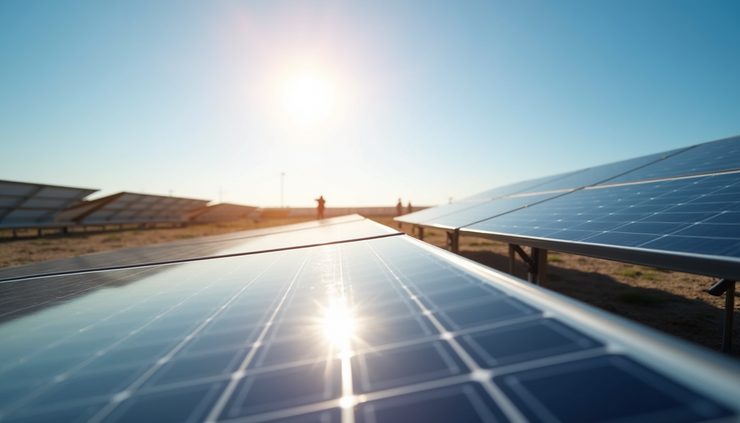
Solar power converts sunlight into electricity using solar panels, typically made of photovoltaic cells. Solar installations range from rooftop panels on homes to large solar farms covering acres of land.
Benefits of Solar Power
Abundant resource: The sun provides more energy than the world needs, available almost everywhere.
Modular deployment: Solar panels can be installed in small or large scales, fitting diverse needs.
Declining costs: Solar panel prices have fallen by over 80% in the last decade.
Limitations to Address
Daylight dependency: Solar power generation stops at night and decreases on cloudy days.
Space requirements: Large solar farms need significant land area.
Energy storage needs: Batteries or other storage systems are necessary to provide power when the sun is not shining.
Solar power is especially attractive for investors interested in decentralized energy solutions. Countries with high solar irradiance, such as those in the Middle East and parts of Africa, are seeing rapid solar adoption. Advances in battery technology also improve solar’s reliability as a clean energy source.
Natural Gas: A Bridge Fuel with Flexibility
Natural gas is a fossil fuel that burns cleaner than coal or oil, emitting less carbon dioxide and pollutants. It plays a significant role in electricity generation, heating, and industrial processes.
Strengths of Natural Gas
Reliable and flexible: Natural gas plants can quickly adjust output to meet demand.
Lower emissions than coal: It produces about 50% less CO2 than coal when burned.
Existing infrastructure: Many regions already have pipelines and facilities for natural gas.
Drawbacks to Weigh
Still a fossil fuel: Natural gas extraction and use release methane, a potent greenhouse gas.
Price volatility: Market prices can fluctuate due to geopolitical or supply factors.
Long-term sustainability: It is not a renewable resource and faces pressure from clean energy policies.
Natural gas often serves as a backup to intermittent wind and solar power, balancing the grid when renewable output drops. For investors, natural gas projects can offer steady returns but carry risks linked to environmental regulations and shifting market preferences toward zero-carbon energy.
Comparing Costs and Environmental Impact
Cost trends: Wind and solar have seen dramatic cost reductions, making them increasingly competitive. Natural gas prices vary but generally remain affordable.
Carbon footprint: Wind and solar produce almost no emissions during operation. Natural gas emits less than coal but still contributes to greenhouse gases.
Investment outlook: Clean energy projects attract growing interest due to climate goals and policy support. Natural gas investments require careful risk assessment.
What Investors and Partners Should Consider
Project location: Wind and solar depend heavily on geography and climate conditions.
Grid integration: Combining wind, solar, and natural gas can improve reliability.
Regulatory environment: Incentives, carbon pricing, and environmental rules affect project viability.
Technological advances: Improvements in storage, turbine design, and panel efficiency can shift the balance.
Choosing the right energy source depends on balancing cost, reliability, environmental impact, and long-term trends. Many experts see a future where wind and solar dominate power generation, supported by natural gas as a transition fuel.
The Path Forward for Energy Investment
The energy sector is moving toward cleaner sources, driven by climate concerns and technological progress. Wind and solar power offer scalable, low-emission options that continue to become more affordable. Natural gas remains important for grid stability but faces growing scrutiny.
Investors and partners who understand the strengths and limits of each energy type can build diversified portfolios that support a cleaner, more reliable energy future. Exploring opportunities in wind turbine projects, solar panel installations, and natural gas plants with flexible operations will position stakeholders to benefit from the ongoing energy transition.
The future of energy will likely blend these sources to meet demand while reducing environmental impact. Staying informed about market trends, technology, and policy changes will help investors make decisions that align with both financial goals and sustainability.


Comments